Unitree G1 EDU | U1-U14 | Humanoid Development Platforms

Variants: EDU-U1 | Standard
Unitree G1 Development platforms
The Unitree G1 Edu development platforms, as well as the Professional and Ultimate variants, are humanoid robot systems designed for research, development and application-specific robotics. High- and low-level secondary development, an SDK, AI algorithms and a 100-TOPS expansion dock enable the creation of custom applications. Depending on the base model, 23 or 29 degrees of freedom are available. The Professional and Ultimate variants supplement the platform with pre-configured gripping and hand solutions, some of which feature tactile sensors and wrist-mounted RGB cameras. This makes it possible, in particular, to develop and test gripping, manipulation and AI applications.
Highlights
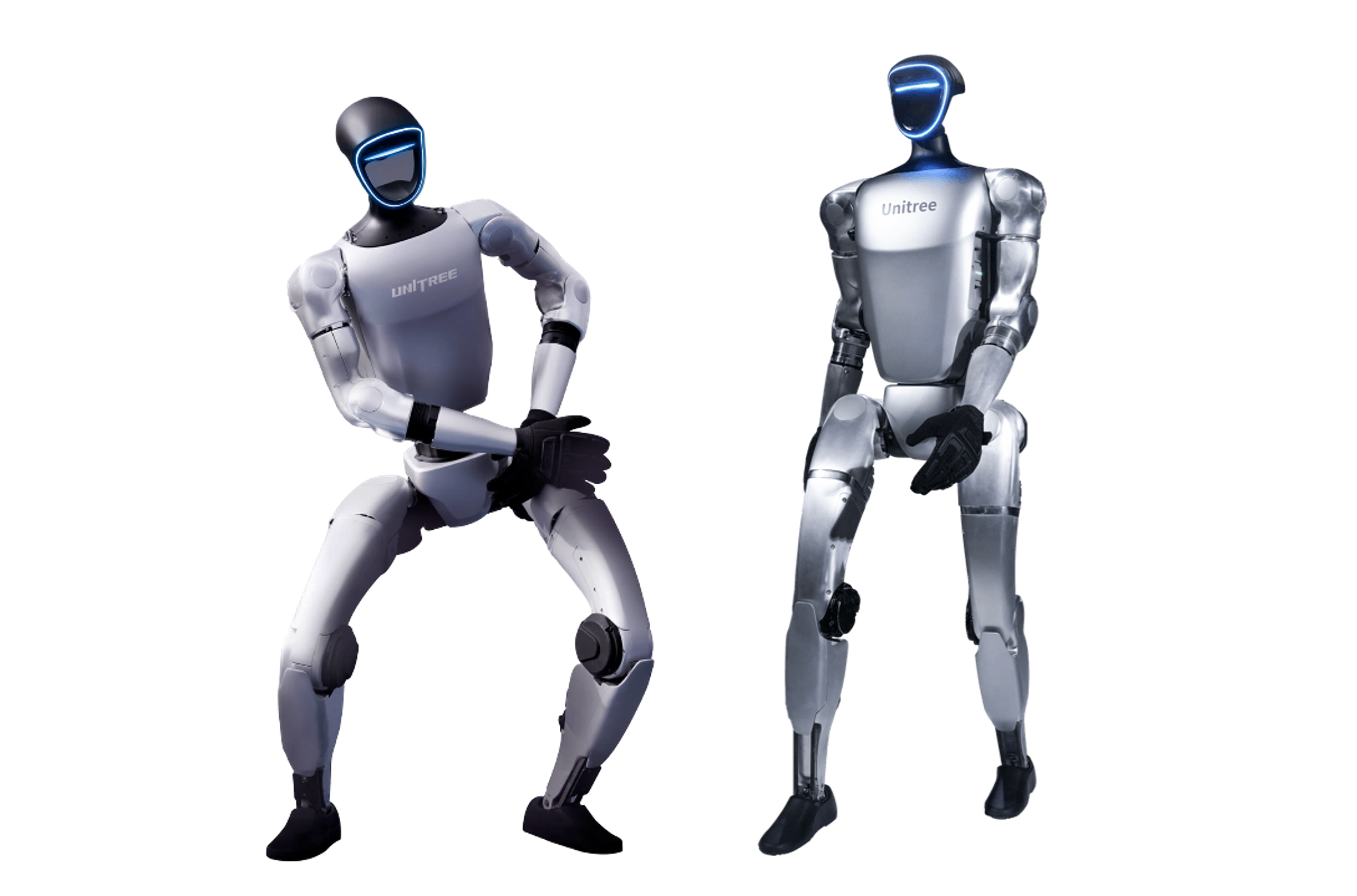
The differences between the development platforms
G1 EDU Standard | 23 DOF | basis of the Professional variants --> Dummy Hand | EDU-U1
G1 EDU Plus | 29 DOF | basis for Ultimate variants --> Dummy Hand | EDU-U2
G1 EDU- Professional (23 DOF Basis)
Professional A → Dex3-1 | 3 Finger | EDU-U9
Professional B → Dex3-1 | 3 Finger with tactile sensors | EDU-U10
Professional E → BrainCo Revo 2 Basic | 5 Finger | EDU-11
Professional F → BrainCo Revo 2 Touch | 5 Finger with tactile sensors | EDU-12
Professional G → Dex2/5 | 5 Finger | EDU-14
Professional H → Dex1-1 Gripper Plus
Professional I → Wuji Hand 2 | 5 Finger
G1 EDU- Ultimate (29 DOF Basis)
Ultimate A → Dex3-1 | 3 Finger | EDU-U3
Ultimate B → Dex3-1 | 3 Finger with tactile sensors | EDU-U4
Ultimate C → Inspire DFQ | 5 Finger | EDU-U5
Ultimate D → Inspire E2 | 5 Finger | with tactile sensors | EDU-U6
Ultimate E → BrainCo Revo 2 Basic | 5 Finger | EDU-U7
Ultimate F → BrainCo Revo 2 Touch | 5 Finger with tactile sensors | EDU-U8
Ultimate G → Dex2/5 | 5 Finger | EDU-13
Ultimate H → Dex1-1 Gripper Plus
Ultimate I → Wuji Hand 2 | 5 Finger
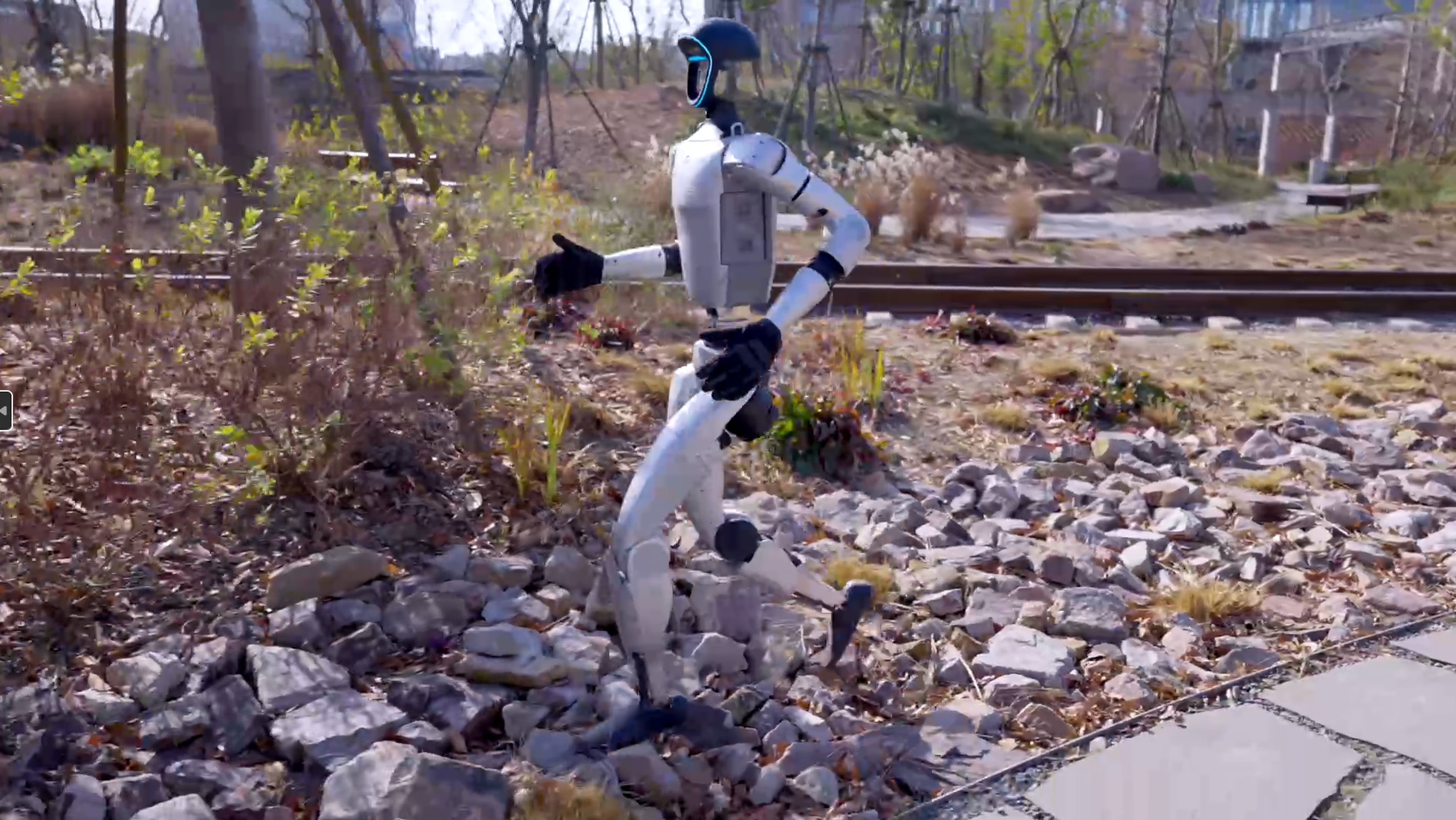
Humanoid platform for real-world testing
The Unitree G1 EDU U1 offers a compact platform for the development of humanoid robotics applications. Its full-body kinematics enable the realistic investigation of locomotion, balance, coordinated movement sequences and interactions with the environment. For universities, research institutions and development departments, this creates a physical test environment in which algorithms can not only be simulated but also tested under real-world conditions. The compact design facilitates use in laboratories, training rooms and demonstration areas. The movement space, floor conditions and safety distances should be taken into account at the project planning stage to ensure that experiments can be carried out in a reproducible and controlled manner.
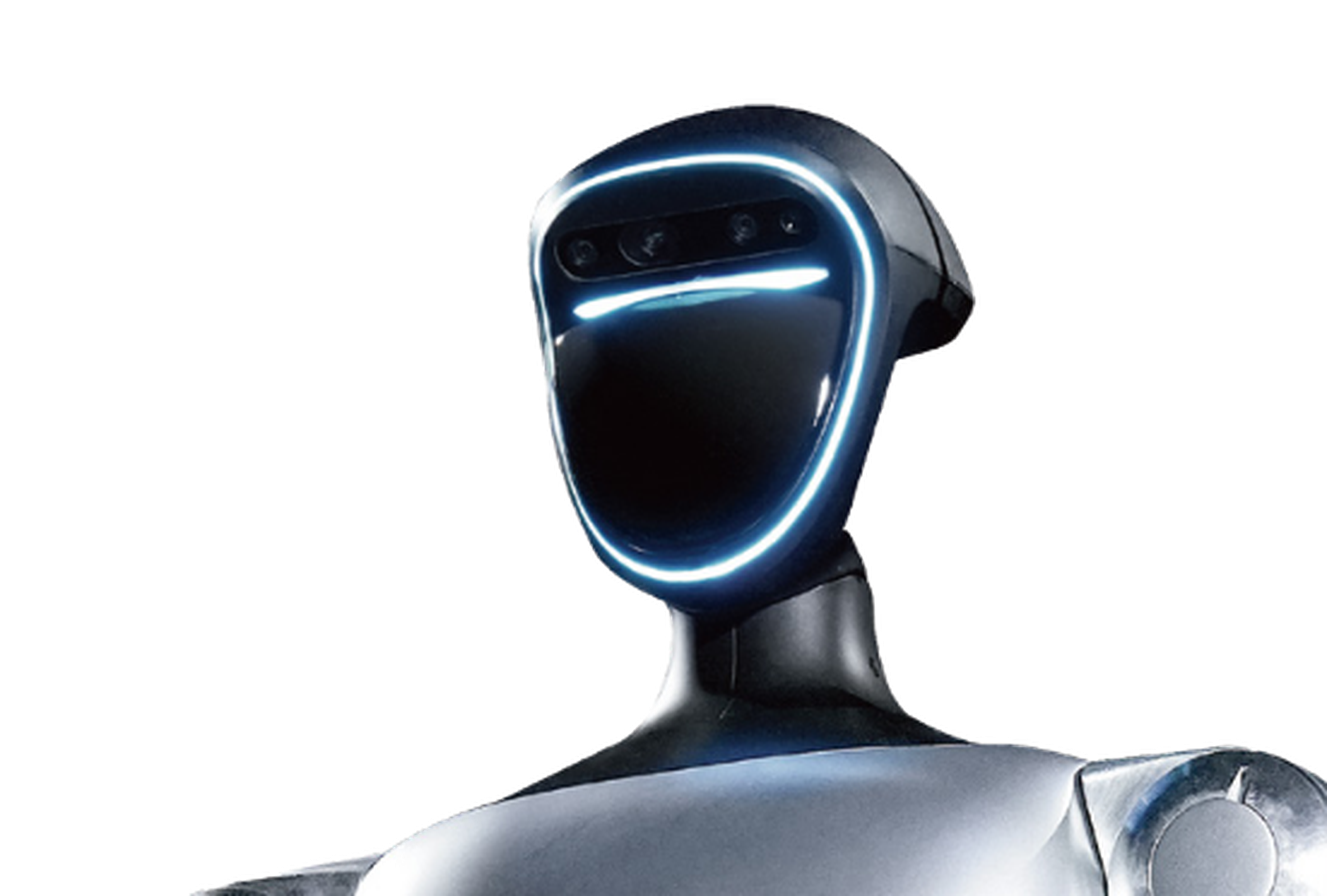
3D perception for autonomous applications
For spatial perception, the Unitree G1 EDU U1 combines a 3D LiDAR sensor with a depth camera. This enables the robot to detect structures, obstacles and distances, and to provide sensor data for navigation, localisation, mapping or autonomous motion planning. Developers can test their own methods for environmental analysis and object recognition on a real humanoid platform, rather than working exclusively with recorded data or simulations. This is particularly beneficial for research and teaching projects that consider perception and movement in conjunction. Before deployment, detection ranges, lighting conditions, reflective surfaces and permissible speeds should be validated to suit the specific application.
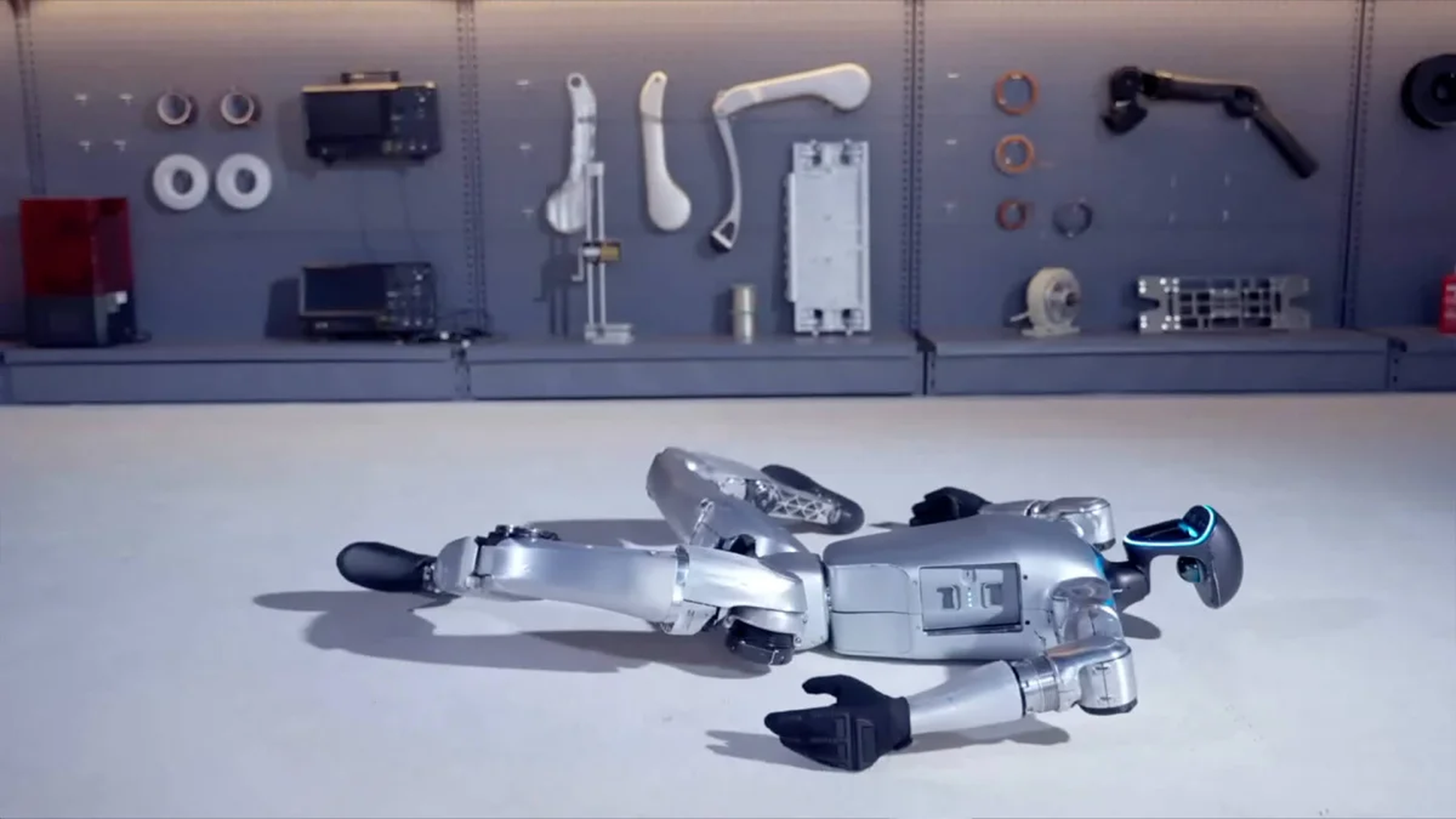
Designed for in-house development
The EDU version of the Unitree G1 U1 is designed for research and customised further development. It enables the implementation of bespoke functions, such as AI-assisted perception, motion control or human-robot interaction. Communication options such as Wi-Fi 6 and Bluetooth 5.2 simplify configuration, data exchange and integration into experimental set-ups. This allows the robot to be combined with internal or external computing resources as a real-world execution platform. To ensure robust integration, buyers should check the scope of delivery, the available computing hardware, programming interfaces, gripper options and supported development tools, as these features determine the integration effort and the possible applications.
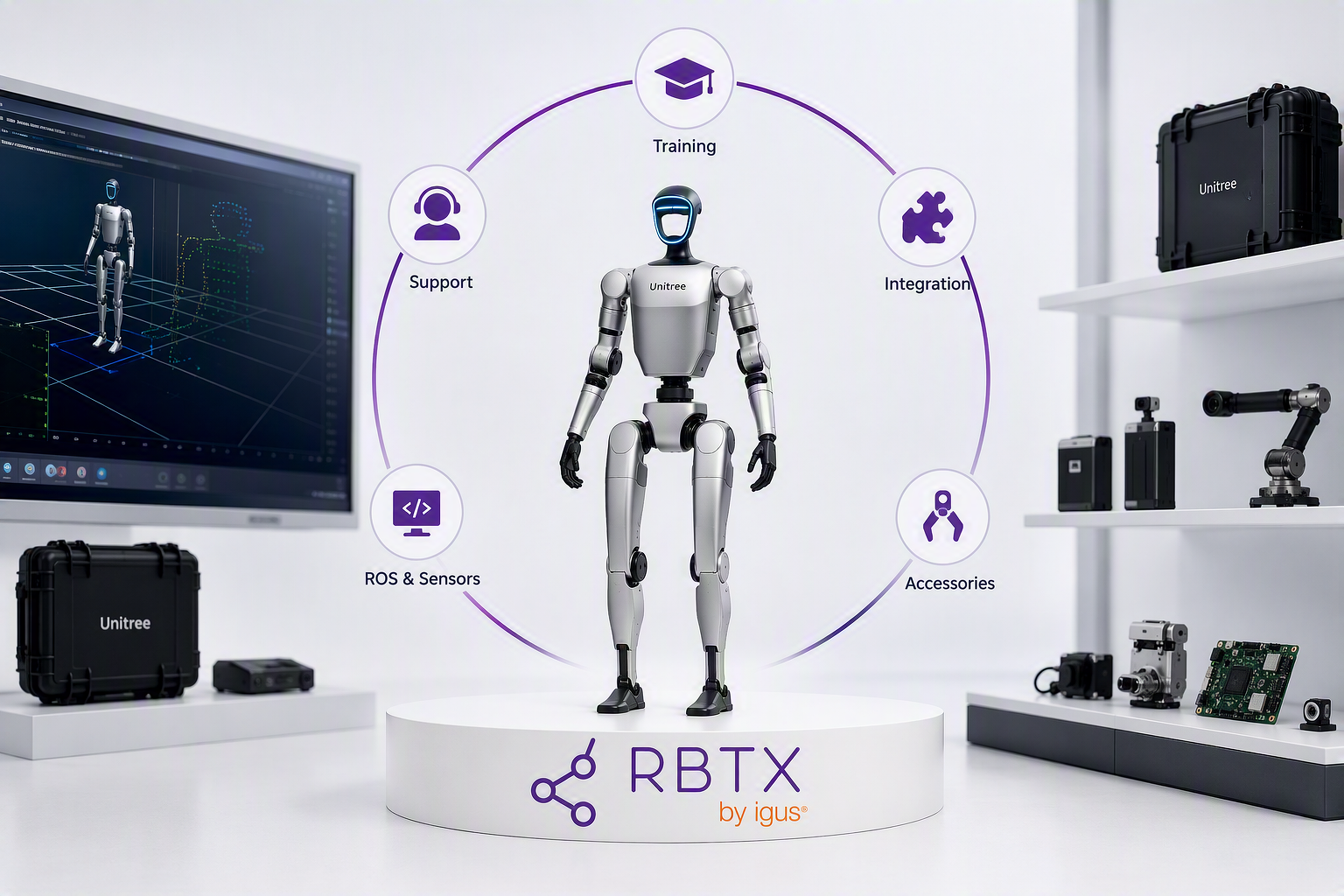
RBTX offers support, training and integration services
RBTX supports customers beyond the selection of a humanoid robot by providing support, training and integration services. Teams receive practical assistance with the commissioning, operation and integration of the Unitree G1 EDU U1 into research, educational or development environments. Training courses facilitate a structured introduction and help users understand functions, interfaces and safe working procedures. In addition, RBTX offers a range of accessories for humanoid robotics, enabling the platform to be expanded as required and tailored to the intended application. This combined approach – comprising hardware, accessories, training and technical support – reduces the effort involved in coordination and provides a single point of contact for the implementation of the robotics project.
Low cost solutions built with RBTX
Book a free video call with our experts


